TRUST WOMEN'S CLINIC
Abortion Pills In Pretoria - Safe Affordable Abortion Services
We have 24 hours customer service personnel for your appointment and deliveries,
Notes Key takeaways:
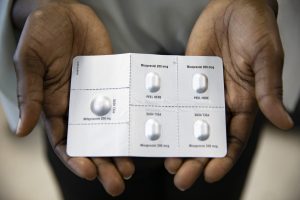
The “abortion pill” — also known as a “medical abortion” or “Plan C” — isn’t a single pill. It’s a combination of two prescription medications that you take 1 to 2 days apart to end a pregnancy.
The FDA-approved combination of abortion pills for medical abortion is mifepristone (Mifeprex) to stop the pregnancy from growing and then misoprostol (Cytotec) to expel the pregnancy.
You can end a pregnancy safely and effectively with abortion pills in the first 10 weeks of a pregnancy, depending on your state’s abortion laws.
In some states, you can get an abortion pill prescription by telehealth. In other places, you may need one or even two in-person visits. You can now fill your prescription at any retail pharmacy — but call ahead.
EXPERT PICKS: WHAT TO READ NEXT
How an abortion can feel: Hear real stories about what a medical or surgical abortion is like, both physically and emotionally, so you’ll have a more honest picture of what to expect.
Considering a home abortion? Learn how at-home medication abortions work, including your healthcare provider’s role, safety tips, and when you may need in-person care instead.
Plan your birth control options. Get step-by-step guidance on getting the pill, patch, ring, or shot from a pharmacy or telehealth service, so you can choose pregnancy prevention that fits your life.

The term “abortion pill” is a bit confusing, since there isn’t just one pill. A medical abortion is actually a series of prescription pills that you take over the course of 2 days — first, mifepristone (Mifeprex), and then misoprostol (Cytotec).
Other terms people use for these medications are:
Abortion pills
Medication abortion
RU-486
How does the ‘abortion pill’ work?
The medication mifepristone is the first step of a pill abortion. This stops progesterone, the main hormone that supports the developing pregnancy. This leads the pregnancy to detach from the uterus wall, then it stops growing. Mifepristone also causes the body to release prostaglandins, chemicals that start contractions in the uterus.
The second step in the pill abortion is the medication misoprostol. This is a lab-made version of prostaglandins, and it brings on stronger contractions that push the pregnancy out of your body. This can cause cramping and bleeding, similar to a heavy menstrual period or a miscarriage.
Here’s what a typical medical abortion schedule looks like:
Day 1: Mifepristone: On the first day, you’ll take a 200 mg pill of mifepristone by mouth. This medication blocks progesterone, a hormone your body needs to grow a pregnancy.
Day 2 or 3: Misoprostol: In this period, you’ll take four 800 mcg pills of misoprostol, which dissolve in your cheek or vagina. This medication causes your body to push the pregnancy out of your uterus.
Days 7 to 14: Follow up: You’ll need a follow-up visit to check that you’re no longer pregnant.
What side effects can you expect when you take the abortion pill?
It’s normal to feel a bit unwell for a few days after taking the abortion pill. You’ll likely have the following side effects, which are typically signs that the abortion is working:
Cramping
Bleeding
Nausea
Chills
Weakness
Low-grade fever (for less than 24 hours)
Frequently asked questions
You may have some light bleeding after taking mifepristone (the first pill), but heavy bleeding with the abortion pill typically starts a few hours after taking misoprostol (the second set of pills). Your bleeding will usually get better after a few days, but may take a few weeks to settle completely.
If you take both mifepristone and misoprostol, the abortion pill is very effective at ending a pregnancy that’s less than 10 weeks. Overall, it ends a pregnancy up to 98% of the time. The earlier you take it in the pregnancy, the better it works. Pregnancies that are closer to 11 weeks may need a top-up dose of misoprostol to help complete the abortion.
There’s good evidence to show that medical abortions are safe and don’t increase the risk of problems — like infertility, preeclampsia, ectopic pregnancy, or breast cancer — in the future. The research also shows no link between having a pill abortion and an increased risk of mental health disorders, such as depression, anxiety, or post-traumatic stress disorder (PTSD).
A medical abortion may cost anywhere from $0 to $1,000, depending on where you live and whether your health insurance covers part or all of it. Call your health insurance provider to find out if your plan will cover any of the costs of a medical abortion.
Getting abortion pills online through telehealth
Telehealth is a term for health care that you can get while being in a different physical location than your health care provider.
Getting abortion care via telehealth means you’ll get abortion pills mailed to you, or you might pick the pills up from a specific location.
The abortion pill is generally available earlier in pregnancy. Each provider will have their own rules about how far along in pregnancy they’ll offer it–some will offer it through around 14 weeks of pregnancy and others will stop offering it much earlier in pregnancy.